Exploring Greece: A Country of Ancient History and Breathtaking Landscapes
Greece is one of the most fascinating destinations in the world, known for its rich ancient history, beautiful islands, crystal-clear waters, and incredible cultural heritage. Located in southeastern Europe, Greece has long been a center of civilization, philosophy, art, and democracy. From the legendary ruins of Athens to the stunning beaches of Santorini and Mykonos, Greece offers travelers an unforgettable experience filled with history, adventure, and natural beauty.
For centuries, Greece has attracted tourists, historians, and culture enthusiasts who want to discover the birthplace of Western civilization. The country combines ancient traditions with modern hospitality, making it a perfect travel destination for people seeking both relaxation and exploration. Whether you are interested in archaeology, Mediterranean cuisine, island hopping, or breathtaking landscapes, Greece has something special for everyone.
In this article, we will explore the beauty of Greece, its historical significance, famous tourist attractions, delicious food, unique culture, and the best reasons why Greece should be on your travel bucket list.
The Rich Ancient History of Greece
Greece is widely recognized as one of the oldest civilizations in human history. Ancient Greece played a major role in shaping modern politics, philosophy, literature, mathematics, and science. Famous philosophers such as Socrates, Plato, and Aristotle originated from Greece and influenced the intellectual development of the world.
The country is also known as the birthplace of democracy. In ancient Athens, citizens participated directly in political decision-making, creating a system that inspired many modern democratic governments today.
Greek mythology is another important part of Greece’s historical identity. Stories about Zeus, Athena, Poseidon, Apollo, and other Greek gods continue to inspire books, movies, and modern culture. Ancient temples and archaeological sites across Greece preserve these legendary stories and attract millions of visitors every year.
One of the most iconic historical landmarks in Greece is the Acropolis of Athens. Standing proudly above the city, the Acropolis represents the glory of ancient Greek civilization. The Parthenon, built in honor of the goddess Athena, remains one of the most famous monuments in the world.
Other important historical sites include Delphi, Olympia, and Knossos in Crete. Delphi was once considered the center of the world in ancient Greek religion, while Olympia became famous as the birthplace of the Olympic Games.
Athens: The Heart of Greek Civilization
Athens, the capital city of Greece, is a perfect blend of ancient history and modern urban life. The city offers visitors a unique opportunity to walk through historical ruins while enjoying vibrant cafes, restaurants, and shopping districts.
The Acropolis Museum is one of the best places to learn about ancient Greek history. Visitors can admire priceless artifacts, sculptures, and architectural masterpieces from ancient times.
Another popular attraction in Athens is Plaka, the oldest neighborhood in the city. Its narrow streets, colorful houses, and traditional taverns create a charming atmosphere that reflects authentic Greek culture.
Athens is also known for its lively nightlife and delicious food scene. Tourists can enjoy traditional Greek dishes while watching beautiful sunsets over the city.
The Stunning Greek Islands
One of the main reasons people visit Greece is its spectacular islands. Greece has more than 6,000 islands and islets, although only around 200 are inhabited. Each island offers unique landscapes, culture, and experiences.
Santorini: The Island of Romance
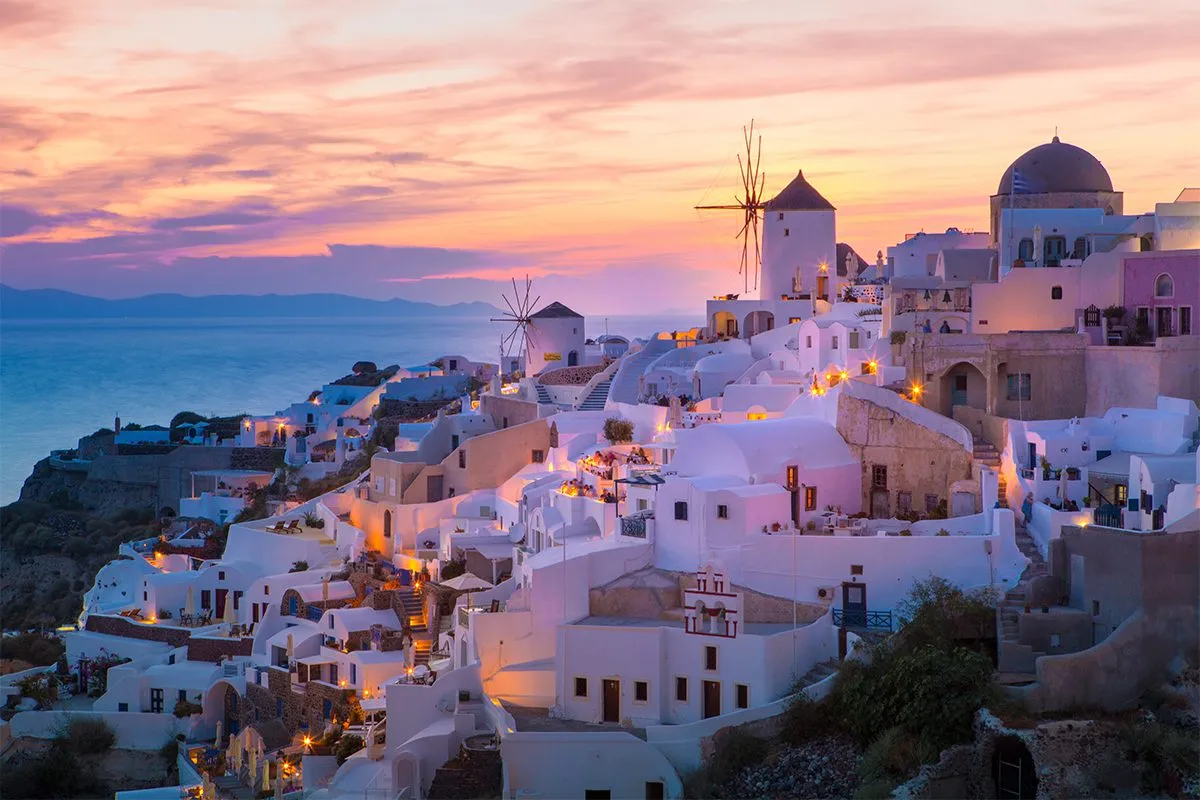
Santorini is perhaps the most famous Greek island. Known for its whitewashed buildings, blue-domed churches, and dramatic cliffs overlooking the Aegean Sea, Santorini is considered one of the most romantic destinations in the world.
Tourists often visit Oia village to witness breathtaking sunsets. The island also offers luxury resorts, volcanic beaches, wine tours, and delicious seafood.
Santorini’s volcanic history has shaped its unique geography, making it one of the most visually stunning places on Earth.
Mykonos: The Island of Nightlife
Mykonos is famous for its vibrant nightlife, luxury hotels, and beautiful beaches. The island attracts travelers from around the world who want to enjoy beach clubs, music festivals, and stylish entertainment.
Despite its modern reputation, Mykonos still preserves traditional Greek architecture and cultural charm. Visitors can explore narrow streets lined with boutique shops, cafes, and traditional windmills.
Crete: The Largest Greek Island
Crete is the largest island in Greece and offers a diverse mix of history, mountains, beaches, and traditional villages. The island is home to the ancient Palace of Knossos, linked to the legendary Minotaur myth.
Nature lovers can hike through the Samaria Gorge, one of Europe’s longest canyons. Crete also offers beautiful beaches such as Elafonissi and Balos Lagoon, famous for their crystal-clear turquoise waters.
The Natural Beauty of Greece
Greece is not only rich in history but also blessed with extraordinary natural beauty. The country features mountains, forests, beaches, caves, and islands that create breathtaking scenery.
The Mediterranean climate makes Greece an excellent destination for outdoor activities throughout the year. Summers are warm and sunny, while spring and autumn offer pleasant temperatures for sightseeing.
One of the most impressive natural attractions in Greece is Meteora. This UNESCO World Heritage Site features monasteries built on top of towering rock formations. The landscape looks almost surreal and attracts photographers and spiritual travelers alike.
The Vikos Gorge in northern Greece is another hidden gem. Known as one of the deepest gorges in the world, it offers incredible hiking opportunities surrounded by untouched nature.
Greece also has many stunning beaches. Navagio Beach in Zakynthos, often called Shipwreck Beach, is famous for its white sand and crystal-clear blue water. The beach can only be reached by boat, adding to its unique appeal.
Greek Cuisine: A Taste of the Mediterranean
Greek food is one of the highlights of visiting Greece. The country’s cuisine is known for being healthy, flavorful, and deeply connected to Mediterranean traditions.
Olive oil, fresh vegetables, seafood, herbs, and cheese are essential ingredients in Greek cooking. Meals are often simple yet incredibly delicious.
Some of the most popular Greek dishes include:
Moussaka
Moussaka is a traditional Greek casserole made with layers of eggplant, minced meat, and creamy béchamel sauce. It is one of the most famous comfort foods in Greece.
Souvlaki
Souvlaki consists of grilled meat skewers, usually served with pita bread, vegetables, and tzatziki sauce. It is a favorite street food among locals and tourists.
Greek Salad
Greek salad combines tomatoes, cucumbers, onions, olives, and feta cheese with olive oil dressing. It is fresh, healthy, and perfect for warm Mediterranean weather.
Baklava
Baklava is a sweet pastry made with layers of filo dough, nuts, and honey syrup. This dessert is popular across Greece and the Middle East.
Greek cuisine is not only delicious but also considered one of the healthiest diets in the world.
Greek Culture and Traditions
Greek culture is deeply rooted in family values, hospitality, music, and celebration. Greeks are known for their warm and welcoming nature, often treating visitors like family.
Traditional Greek music and dance play an important role in social life. During festivals and celebrations, locals gather to dance and enjoy traditional foods together.
Religion is also significant in Greek society. The majority of Greeks belong to the Greek Orthodox Church, and religious festivals are celebrated throughout the year.
One of the most famous celebrations in Greece is Easter. Greek Easter traditions include candlelit processions, feasts, and fireworks, creating a festive and spiritual atmosphere.
Why Greece Is a Perfect Travel Destination
There are many reasons why Greece remains one of the world’s top travel destinations.
Affordable Travel Options
Compared to many Western European countries, Greece can be relatively affordable for travelers. Visitors can find budget accommodations, local restaurants, and inexpensive transportation options.
Incredible Hospitality
Greek hospitality, known as “philoxenia,” means friendliness toward strangers. Travelers often praise the kindness and generosity of Greek people.
Diverse Experiences
Whether you enjoy beaches, mountains, history, nightlife, or food, Greece offers a wide range of experiences for every type of traveler.
Excellent Weather
Greece enjoys sunny weather for much of the year, making it ideal for vacations and outdoor adventures.
Rich Cultural Heritage
Every region of Greece has unique traditions, architecture, and historical significance. Exploring the country feels like traveling through thousands of years of civilization.
Best Time to Visit Greece
The best time to visit Greece depends on your travel preferences.
Summer (June to August)
Summer is the peak tourist season. The weather is hot and perfect for beach vacations and island hopping. However, popular destinations can become crowded.
Spring (April to May)
Spring offers mild temperatures and blooming landscapes. It is an excellent time for sightseeing and outdoor activities.
Autumn (September to October)
Autumn provides warm weather with fewer tourists. Many travelers consider this the ideal season to explore Greece comfortably.
Winter (November to March)
Winter is quieter and more affordable. Although some islands become less active, cities like Athens remain vibrant and enjoyable.
Tips for Traveling in Greece
Before visiting Greece, here are some useful travel tips:
- Learn a few basic Greek phrases to communicate with locals.
- Carry cash for small shops and local restaurants.
- Wear comfortable shoes when visiting archaeological sites.
- Respect cultural and religious traditions when entering churches and monasteries.
- Try local dishes and support family-owned taverns.
- Use ferries to explore multiple islands during your trip.
Planning ahead can help travelers enjoy a smoother and more memorable experience.
Conclusion
Greece is truly a remarkable country filled with ancient history, stunning islands, delicious cuisine, and unforgettable landscapes. From the iconic ruins of Athens to the crystal-clear beaches of the Greek islands, every corner of Greece offers beauty and cultural richness.
As the birthplace of democracy, philosophy, and the Olympic Games, Greece continues to inspire millions of people worldwide. Its combination of historical treasures and natural wonders makes it one of the most unique travel destinations on Earth.
Whether you are exploring ancient temples, enjoying Mediterranean cuisine, relaxing on beautiful beaches, or experiencing authentic Greek hospitality, Greece promises memories that will last a lifetime.
For travelers seeking a destination that combines culture, adventure, history, and breathtaking scenery, Greece is undoubtedly a dream destination worth exploring.